Vector-borne diseases in cattle — LSD, BT and EHD. How to protect your herd from blood-sucking insects
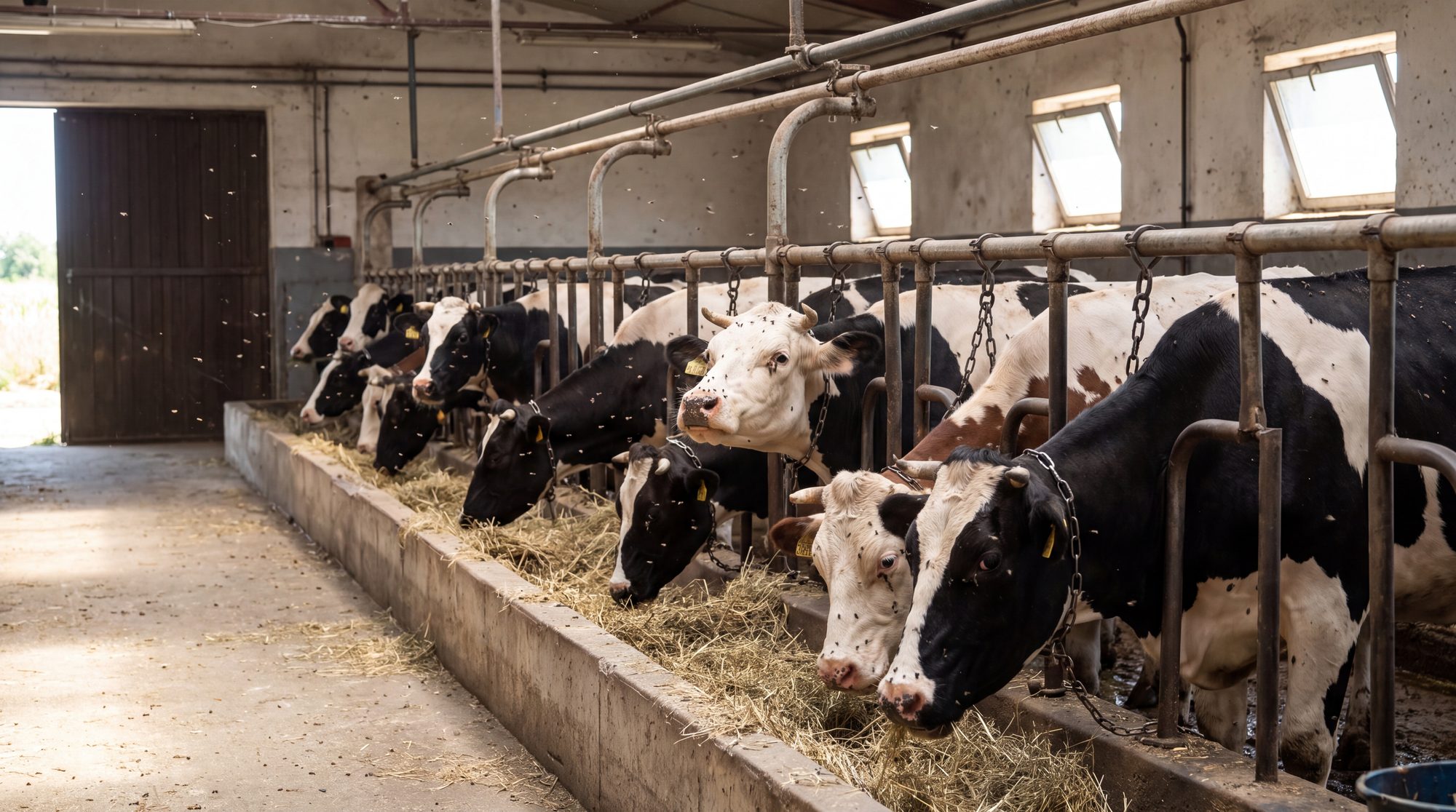
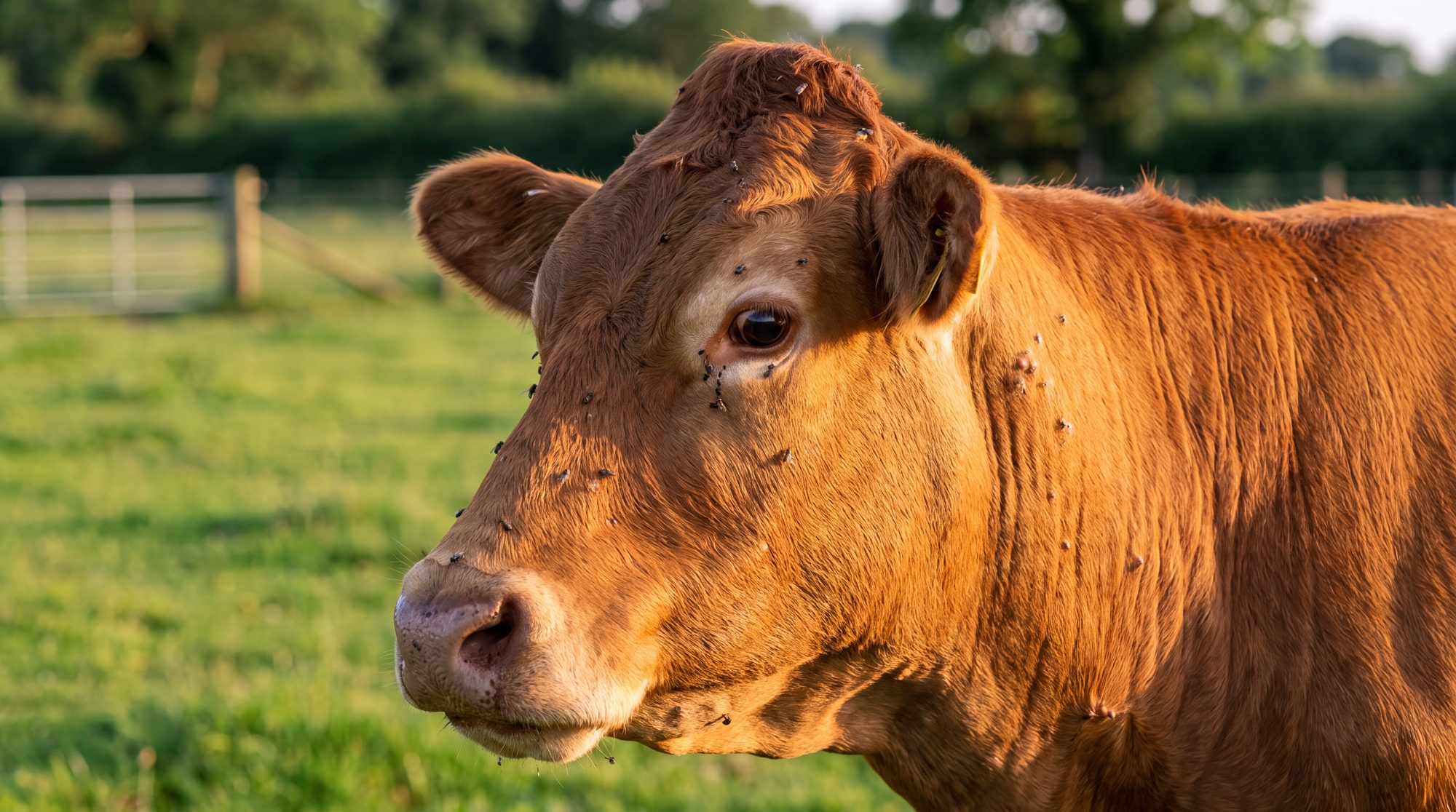
In recent years, European cattle farmers have faced a growing threat from diseases spread by blood-sucking insects. Lumpy skin disease (LSD), bluetongue (BT) and epizootic haemorrhagic disease (EHD) are three viral diseases whose vectors – mosquitoes, Culicoides biting midges, ticks and flies – are most active in the warm months of the year.
The situation in Europe — a real and close threat
Lumpy skin disease (LSD), caused by a capripoxvirus, occurred only in Africa until recently. In 2025 outbreaks appeared in Italy (Sardinia, Lombardy), France and Spain – 18 cases were confirmed in the province of Girona in Catalonia and another 2 in the province of Huesca in Aragon. The virus is moving from southern Europe towards Central Europe. Although it has not yet been detected in Poland, the Polish General Veterinary Inspectorate considers the risk to be the highest in years.
Bluetongue (BT) is already present in Poland – 7 outbreaks of serotype BTV-3 were recorded in 2024, mainly in the Lower Silesian and West Pomeranian provinces. Further cases were found in early 2025, confirming that the virus is circulating in the country’s insect population.
Consequences for the farm
Detection of an LSD outbreak means the immediate culling of the herd and the establishment of a 20 km protection zone and a 50 km surveillance zone. In Poland, LSD is subject to compulsory official control – the state budget covers the cost of control measures, but the farmer receives no compensation for lost income.
BT and EHD cause fever, swelling, ulceration of the mucous membranes, lower milk yields, abortions and, in severe cases, death.
Prevention: DIPTRON® CulixCare — a repellent for use on animals
Insect repellents are one of the key elements of protecting a herd against vector-borne diseases. The General Veterinary Inspectorate explicitly recommends using repellents to protect animals from insects identified as vectors of the disease.
DIPTRON® CulixCare is an insect repellent for direct use on farm animals. Composition:
- Neem (margosa) extract – 4%
- Hydrogenated, cyclised lemon eucalyptus oil – 4%
 In the catalogueDIPTRON CULIXCARE – natural repellent against blood-sucking insects for livestock
Spectrum of action
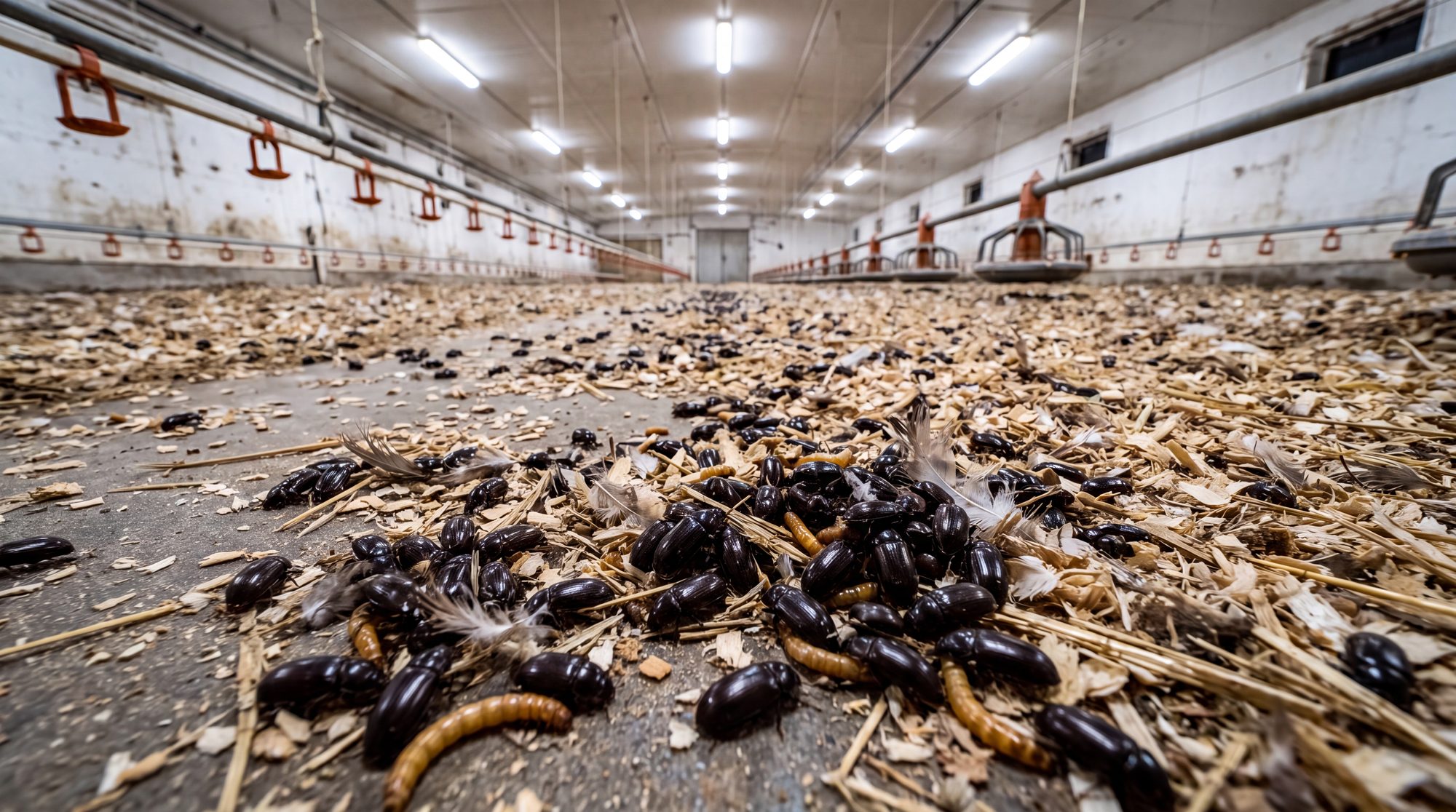
It repels mosquitoes and insects of the genera Culicoides, Aedes and Culex – the vectors of LSD, BT and EHD. It is also effective against flies, bot flies, fleas, ticks and mites, including the poultry red mite (Dermanyssus gallinae).
How to use it
A concentrate for dilution in water, for direct application to animals and for dipping:
- Initial treatment: 1.6% dilution – 16 ml of product per 1 litre of water.
- Maintenance treatment: 0.8% dilution – 8 ml of product per 1 litre of water.
Formulation: concentrate. No withdrawal period. For general use. Cat. no. 500589 (12 × 1 l).
When to use it
Start protecting animals with repellents before the insect season begins – in Poland it runs from April/May to October/November. Regular use of CulixCare reduces the number of insects on the animals, lowering the risk of vector-borne disease transmission and reducing stress and skin irritation.
Repellents should be combined with other biosecurity measures: insect screens on the windows of livestock buildings, draining standing water where mosquitoes breed, and reducing insect breeding sites around the farm.